Flood and Storm Mold Cleanup in Covina, CA
Plan flood and storm mold cleanup in Covina around your water source, affected rooms and repair needs.
- Moisture source checked
- Containment and HEPA filtration
- Protective equipment planned
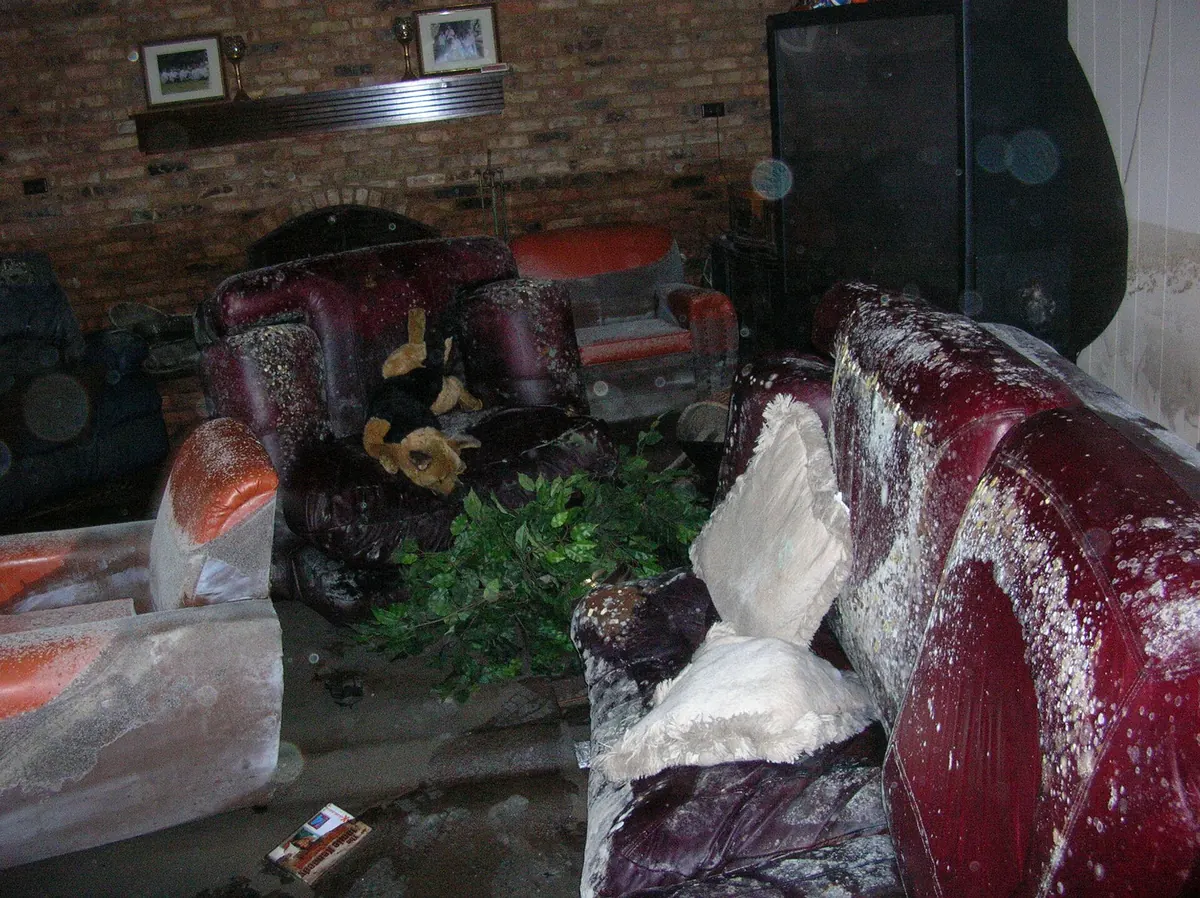
What Flood and Storm Mold Cleanup Covers in Los Angeles County
After storm surge, flood water or rain driven by wind, cleanup deals with your mold and wet materials, including drywall removal.
Your cleanup may use a HEPA vacuum, extraction, drying and a barrier for containment. Mold can recur without fixing the source.
Your written scope should list materials, the source, how cleaning will proceed and drying checks. Record repairs separately.
- Water extraction and dry out
- Mold removal and cleaning
- Moisture source assessment
- Separate repair planning
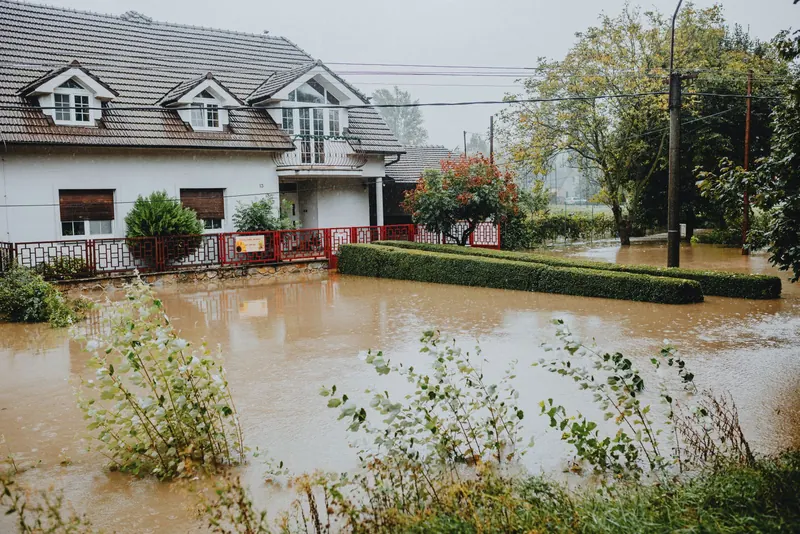
Finding Your Flood Cleanup Help in Covina
Flood Cleanup Experience
Ask about comparable flood projects and references you can contact.
A Named Contact
Find out who coordinates daily entry and responds to your progress questions.
Changes to the Scope
Agree who can authorize extra work when hidden damage is found.
Equipment Charges
Ask how equipment rental, monitoring visits and removal are billed.
Signs of Flood Damage in Los Angeles County
If your materials remain damp or mold appears, cleanup may be necessary.
Storm Surge or Roof Damage
Describe the water's entry route to the assessor, whether from outdoors or via an opening in your roof.
Growth After Heavy Rain
CDC says color does not identify mold species or risk, including black mold after flooding.
Flooded Basement Mold
With sump pump failure, receding standing water does not always mean the space beneath your flooring is dry.
Wet Insulation and Swollen Finishes
Swelling or staining can point you toward areas that might need a more detailed inspection.
Getting Started After Flood Damage in Covina
Only start cleanup with safe access.
Call (844) 352-3560- Wait for safe entry. Where electricity or structural damage is present, avoid flood water. Follow your locality's reentry directions.
- Limit further water entry. Only arrange temporary roof protection or leak repair when conditions permit.
- Leave visible mold growth undisturbed. Leave growth unscraped and do not brush growth while dry, as mold spores can spread.
- Keep affected HVAC equipment off. EPA advises you not to operate equipment that may have mold contamination.
- Plan protective equipment. Find out what protective measures the assessed job needs before anyone goes into the affected area.
Your Mold Cleanup Cost After Floods and Storms in Covina, CA
The Fixr figures below are guide prices for separate water damage tasks, not mold quotes for your property. Do not add them together. Flooded basement cleanup has an open-ended range, so costs can exceed the upper amount shown.
Flooded basement cleanup
$2,000 to $85,000 per jobSource: Fixr, Water Damage Restoration Cost (checked 2026-10-23)Post-flood drying for a basement of 500 square feet, excluding repairs
$2,000 to $7,000 per jobSource: Fixr, Water Damage Restoration Cost (checked 2026-10-23)Water extraction, clean water
$3.75 to $4.25 for each square footSource: Fixr, Water Damage Restoration Cost (checked 2026-10-23)Water extraction, black water
$7 to $7.5 for each square footSource: Fixr, Water Damage Restoration Cost (checked 2026-10-23)Factors That Affect Your Flood Cleanup Cost
- Structural drying equipment
- Size of the affected area
- Water category and depth
- Materials that must be removed
- Time before drying started
Related Work in Flood Cleanup: Guide Prices
These ranges come from published national cost guides, not from a site visit. Your property price is set after an on-site assessment and should be explained before work starts.
Ask about cost: (844) 352-3560Flood Insurance in California: Questions to Raise
Coverage depends on the source, policy wording and mold coverage limits. Floodwater may be treated differently.
Cause of Loss
Find out how sudden and accidental indoor water damage, floodwater and wind-driven rain are treated.
Mold Coverage Limits
Clarify your policy's exclusions and deductibles, along with any sublimit for mold.
Additional Living Costs
Find out if your temporary accommodation has coverage and which approvals are required.
Tenants and Owners
Under California's housing law, visible mold found by a health officer or code enforcement officer can make a rental substandard. Renters can contact their local health or code enforcement department to ask for an inspection. California's Toxic Mold Protection Act includes a landlord written-disclosure section (Health and Safety Code 26147). By its own wording it applies only after the state adopts mold exposure standards, and the state health department has said it could not set them.
How Flood Cleanup Proceeds in California
Your cleanup starts with water control, then containment and removal; next comes cleaning, then drying and final checks.
Flood Inspection and Moisture Mapping
Use a moisture meter to help map wet materials. A thermal imaging camera can guide further checks.
Work-Zone Containment
Poly sheeting serves as the containment barrier. Negative air pressure is planned for the assessed work.
HEPA Filtration
To capture airborne particles, a HEPA air scrubber is used. It does not replace removing the source.
Flood-Damaged Material Removal
Drywall removal belongs in the scope alongside other water-damaged materials that must be discarded.
Cleaning and Structural Drying
Dehumidification, HEPA vacuum cleaning, a dehumidifier and air movers are possible specifications for the work. Removal remains necessary despite antimicrobial treatment.
Post-Remediation Verification
Keep containment up until you confirm both drying and cleaning. Use an independent assessor for any planned clearance testing.
Keeping Records Following Flood Damage
Record your decisions about cleanup and repairs in one dated file.
- Stay in a safe location when photographing affected possessions and marks left by water.
- Prepare claim documentation by listing damaged possessions with any receipts you have.
- Save the moisture map, drying readings and material removal list.
- Store change approvals with your invoices, agreed scope and completion report.

Discuss Flood and Storm Mold Cleanup in Covina
Call whenever you need. A flood and storm mold cleanup specialist takes your call, discusses what you see and outlines what comes next.
Concerns During Flood Cleanup Across Greater Los Angeles
Contaminated water, hidden dampness, HVAC involvement and large areas call for professional help.
People at Greater Risk
Allergy and asthma symptoms may be triggered by mold in some people. CDC identifies people with weak immune systems, asthma or lung disease as more at risk. They should avoid affected areas.
Mud and Silt
Find out how deposits left by flooding influence assessments of your belongings and floors.
Contaminated Floodwater
Water containing sewage or other contamination calls for professional cleanup, even in a small area.
Can you clean it yourself? EPA notes that homeowner cleanup is often suitable for areas under about 10 square feet. HVAC involvement and widespread water damage call for professional attention.
Which Flood-Damaged Materials Can Stay in Los Angeles County?
To stay, your materials must be suitable for both cleaning and drying, with damage and contamination guiding that choice.

Non-Porous Surfaces
- Tile, glass and metal
- Cleanable hard fixtures
Porous Materials
- Cleaning and drying may be possible for sound wood framing
- Removal may be necessary for insulation, drywall and carpet
Contents Assessed Separately
- Washable textiles
- Furniture, photos and papers
What Affects Flood Cleanup Timing in Los Angeles County?
Timing depends on contamination, access, damaged materials and drying. The schedule follows inspection findings.
- Access and utilities: Limited access and unavailable power can hold up setting up the equipment.
- Extent of removal: Your scope may need to change if damage concealed behind affected finishes is revealed during opening.
- Drying and handoff: Schedule repairs and rebuilding separately; moisture readings direct the drying process.
Musty Odors in Greater Los Angeles Following Rainfall
Your post-rain musty odor could indicate moisture in a cavity or a repeated leak. Deodorizer cannot fix the underlying source.
Keep your indoor relative humidity under 60 percent, as EPA recommends, with 30 to 50 percent ideal. Controlling humidity helps indoor air quality; repairs are still necessary.

Scope and Repair Planning
Use the full flood and storm mold cleanup guide to prepare questions about the assessment, scope and next steps for your property.
Read the flood and storm mold cleanup guidePlanning Flood and Storm Mold Cleanup in Covina
Area housing statistics describe local housing, without showing what condition your property is in. Plan access, moisture repairs and records around what an assessment finds.
Census ACS 2024 5-year (tables B01003, B25003, B25035, B09021 and B25024). Area estimates do not establish conditions at an individual property.
In Covina, renters occupy 41 percent of occupied housing units. Confirm who can approve opening affected materials and how you will receive the findings and next steps.
The median year built for housing units in Covina is 1965. This does not establish your building age or condition. Keep dated photos of the affected area and a record of the repair and cleanup scope.
Single-family units make up 63 percent of all housing units in Covina. Keep dated photos of the affected area and a record of the repair and cleanup scope.
In this community, 21 percent of residents aged 65 or older live alone. For your property, record the rooms affected and ask who can authorize access before work begins.
Your Property Assessment: Planning Steps
- Areas under about 10 square feet can often be cleaned by the homeowner, while larger areas, HVAC systems, sewage, or contaminated water call for professional help.
Local Flood and Storm Mold Cleanup Information for Covina
Ask on the phone about mold cleanup for nearby ZIP codes and communities.
Flood and Storm Mold Cleanup in Locations Near Covina
Answers to Flood and Storm Mold Cleanup Questions in Covina
What should renters in Los Angeles County do after storm damage?
Send prompt notice to your property manager or landlord in a form you can document. Describe your affected rooms when asking for instructions about temporary arrangements and entry. Clarify who has authority over work on your flooring, walls and shared building systems. Keep any claim for your belongings distinct from communications concerning repairs to the building.
Will flood mold cleanup cover the rebuilding work?
Do not take replacement flooring, drywall, insulation or painting as automatically included. Use your written scope of work to separate reconstruction from removal and name whoever will restore each affected room. Before walls are closed, clarify who coordinates the handoff and whether sump pump, roof and drainage repairs require separate contractors.
Should you arrange mold testing before starting flood cleanup in Covina?
With visible growth, EPA notes that sampling is frequently not needed. Ask what decision air sampling would change before paying for it. Start with an inspection to identify affected materials and assess moisture conditions. When sampling is suggested, find out which rooms are included and how results will shape the work.
What should you do if the next rain leaves a cleaned room smelling musty?
Report the smell's return time and whether rainfall, equipment being turned off or activity in a particular room comes before the odor. Ask for another check of repaired areas and the route water took earlier. Use the original moisture map to compare fresh findings before selecting further sampling, opening or cleaning. Smell by itself cannot tell you the mold species.
What should you ask an insurance adjuster before disposal?
Ask which evidence must be saved before removing damaged building materials or possessions from the property, and how to document urgent cleanup. Confirm whether an inspection is requested and how to record items that cannot be retained. Retain dated records of instructions and your claim number without assuming approval of reimbursement.
Is staying in your home possible during storm cleanup?
Check whether routes to your bedrooms, bathrooms and exits let you avoid the work zone. Before work begins, talk through equipment noise, pets, shared ventilation and limits on access. Your household's needs and the conditions found during assessment determine the answer. Having a barrier alone does not establish that staying in your home is appropriate.
Questions About Flood and Storm Mold Cleanup in Los Angeles County?
You can get straightforward, reassuring guidance on flood and storm mold cleanup by calling 24 hours a day.